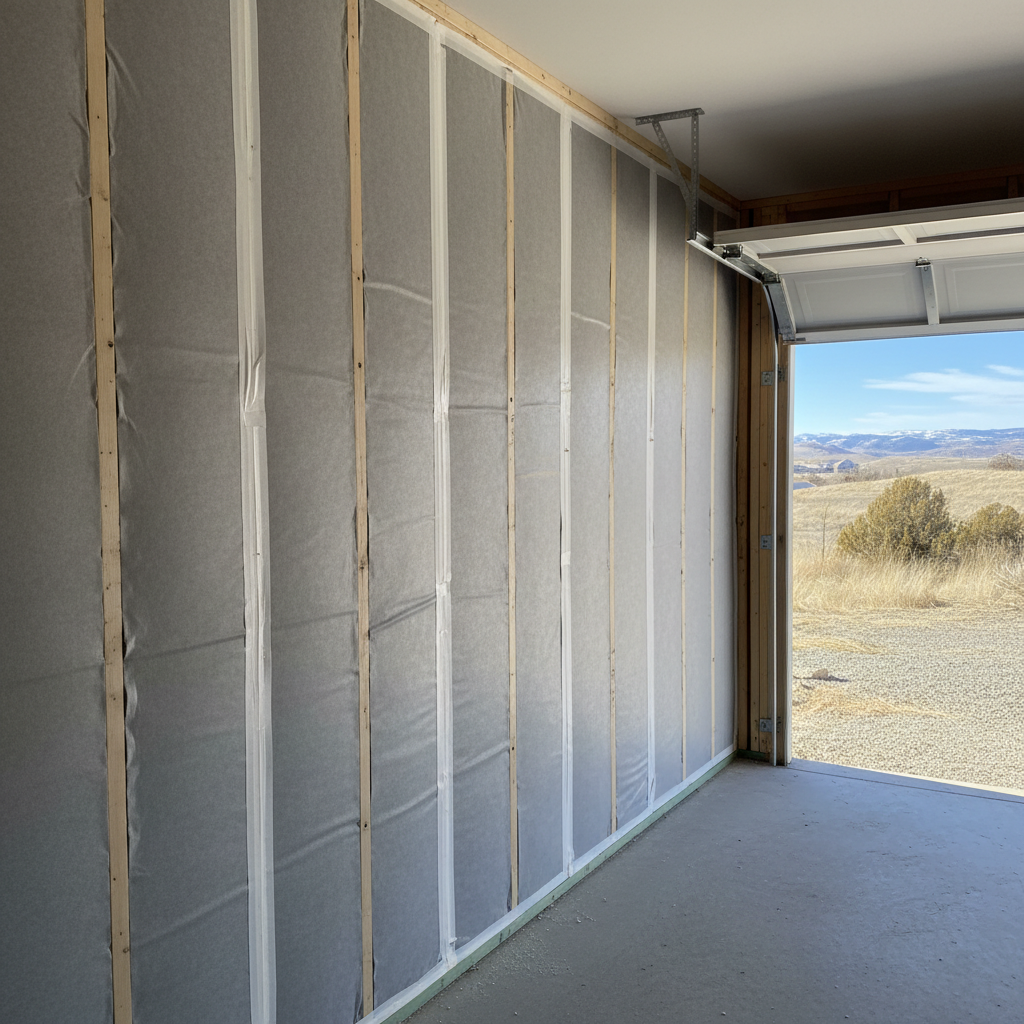
Why bother insulating my garage at all? It's just a garage, right?
That's a common thought, and, honestly, I get it. For a lot of us, the garage is just a spot to park the car or maybe stash some old junk. But here's the thing: your garage shares at least one wall, sometimes even a ceiling, with your main living space. If it’s not insulated, that garage acts like a giant hole in your home’s thermal envelope. Cold air in winter, hot air in summer—it all just sneaks right through those shared surfaces, making your furnace and AC really work for their money. It's not just about being comfy in the garage itself, though that's definitely a bonus. It’s really about how much you’re shelling out to heat and cool the rest of your house. Plus, if you’ve got a workshop out there, or you’re doing laundry, you’ll definitely appreciate not freezing your fingers off or sweating through your clothes. Who wants that?
What's the best type of insulation for garage walls and ceilings?
When it comes to garage walls and ceilings, you've got a few solid choices. The "best" really boils down to what you're trying to achieve and, of course, your budget. Fiberglass batts are a classic; they're pretty affordable and work well for most situations. You can grab them faced or unfaced. Now, if you need a higher R-value in a tighter spot, or you’re really aiming for an airtight seal, closed-cell spray foam is fantastic. It costs more upfront, sure, but it really pays off in energy savings and even adds some structural rigidity. It’s also great at keeping out pests and moisture, which is a real plus with our freeze-thaw cycles here in Eagle. Blown-in cellulose or fiberglass can work for ceilings, especially if you're just topping up existing insulation. But for walls, batts or spray foam are generally what we suggest. We often recommend closed-cell spray foam for garage ceilings, especially if there's a bonus room right above it, because it creates such an effective barrier.
Do I need to insulate my garage door?
Oh, absolutely, you should. Just think about how huge that garage door is. It's basically a massive, uninsulated slab if you don't do anything to it. Even if your walls and ceiling are all insulated, a bare garage door will let a ton of heat in or out. You can buy insulation kits specifically made for garage doors, usually rigid foam panels. They’re pretty straightforward to install yourself if you’re a bit handy. If you’re getting a new garage door, many manufacturers offer insulated models right from the start, which is often the smartest way to go. It makes a noticeable difference, especially if your garage faces west and gets absolutely hammered by the afternoon sun in July.
What about moisture and ventilation in an insulated garage?
This is a super important point. When you insulate, you’re making the space tighter, which can sometimes trap moisture. If you’re parking a wet car in there all winter, or maybe running a humidifier for plants, you really need to think about ventilation. A good vapor barrier is essential, especially on the warmer side of the insulation (that’s usually the interior side in our climate). For walls, this often comes built into faced batts or is part of the spray foam application. For a garage, you might also want to consider a small exhaust fan, particularly if you’re doing projects that create fumes or a lot of moisture. You definitely don’t want mold or mildew growing in your newly insulated space, do you? It’s all about finding that right balance.
Can I insulate my garage myself, or should I hire a pro?
For basic batt insulation, if you’re comfortable with a utility knife and a staple gun, and you’re good with measurements, you can probably tackle it yourself. It’s not rocket science, but it can be tedious and messy. Just make sure you wear protective gear – gloves, long sleeves, and a good mask, especially for fiberglass. Getting the cuts just right and making sure there are no gaps is key for it to actually work. For spray foam, though, that’s absolutely a job for professionals like us at Aim High Insulation. It needs specialized equipment, specific training, and a clear understanding of safety protocols. Sure, DIY spray foam kits exist, but they’re usually meant for tiny areas and just don’t offer the same performance or consistency as a professional application. Plus, if you mess up spray foam, it’s a real headache to fix.
Will insulating my garage increase my home's value?
It absolutely can. While it might not be as flashy as, say, a kitchen remodel, making your home more energy efficient is a huge selling point these days. Buyers are actively looking for homes that are comfortable and have lower utility bills. An insulated garage helps with both. It also expands the usable space of your home; a garage that's comfortable year-round can become a gym, a workshop, a play area, or just a nicer spot to transition from your car to your house. It really shows that you’ve taken good care of the home and invested in its overall performance.
How long does it take to insulate a typical two-car garage?
That really depends on the type of insulation and the scope of work. If we're talking about putting fiberglass batts into an empty, open-stud garage, we can usually get a two-car garage done in a day, maybe a day and a half. That depends on the ceiling height and how many walls are involved, of course. If we're doing closed-cell spray foam, the actual application is pretty quick, often just a day for a standard garage. But then you’ve got prep work, like masking off areas, and cleanup. So, generally, for a professional job, you’re looking at anywhere from one to two days for most two-car garages. Naturally, if there's old insulation to remove first, or if we’re dealing with a bigger, more complex space, that’ll add to the timeline.
What's the R-value I should aim for in my Eagle garage?
For garage walls right next to conditioned space, you'll want to shoot for something similar to your home's exterior walls. That usually means an R-value of R-13 to R-21 for 2x4 or 2x6 framing. For garage ceilings, especially if there's a heated space above, you'd want to go even higher, like R-38 to R-49, similar to attic recommendations. If your garage walls aren't next to conditioned space, but you still want the garage to be comfortable, R-13 or R-15 in the walls is a good starting point. For garage doors, R-6 to R-10 is common and makes a big difference. The key is to create a consistent thermal envelope. Don't just insulate one wall and call it good; think about the whole space.