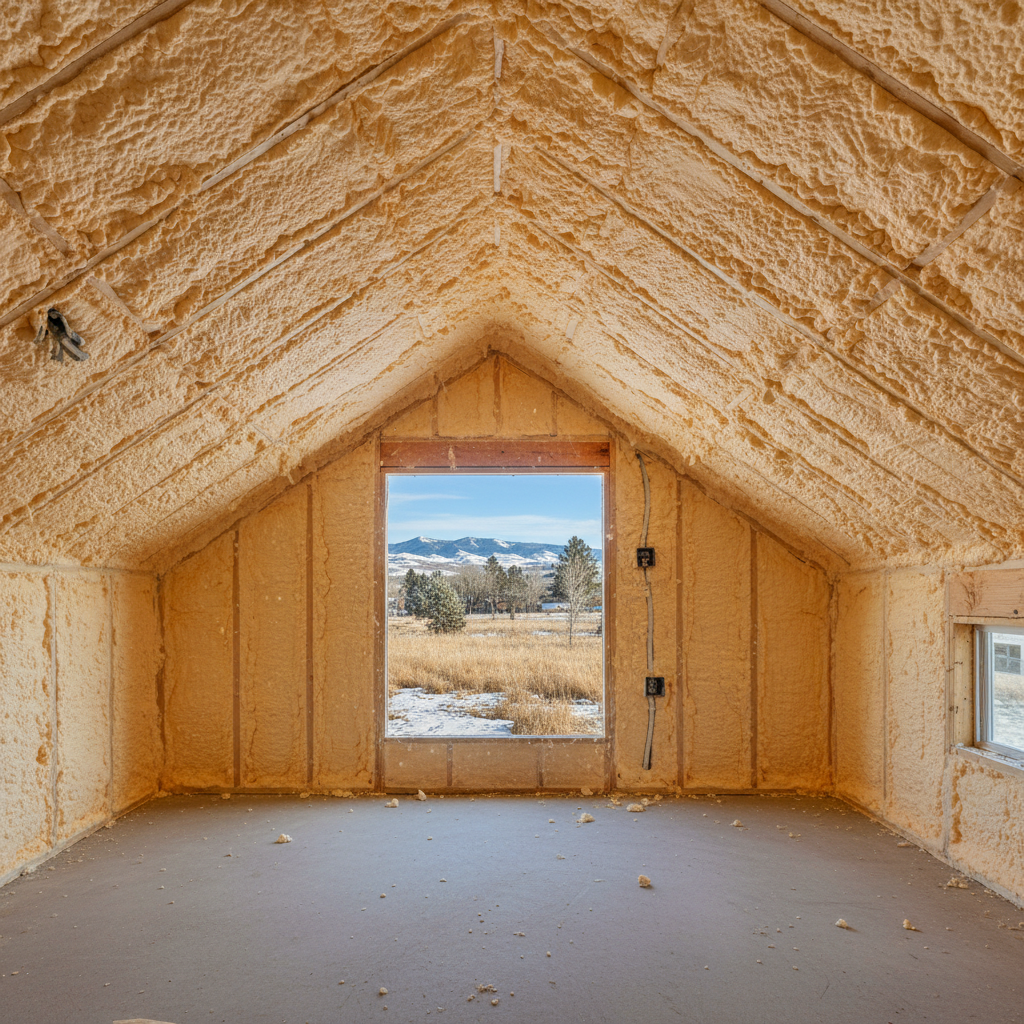
So, you're thinking about upgrading your home's insulation with closed-cell spray foam? Smart move. It's tough stuff, super efficient, and really seals things up tight. But here in Eagle, with our scorching summers and cold, sometimes snowy winters, when you install it isn't just a suggestion—it's actually pretty critical for a good job and long-term performance.
When Should You Schedule That Install?
Honestly, there's no single "perfect" season for spray foam. But there are definitely better times, and a few things you should watch out for. For closed-cell foam, the biggest thing we worry about is temperature, both inside and outside the building. The chemicals need to be at a certain temperature to mix and cure just right. If it's too cold, the foam can end up brittle or might not expand properly. Too hot, and it cures too fast, which can cause its own set of problems.
I usually tell folks that spring and fall are ideal. The temperatures outside are generally pretty moderate then, meaning less fuss trying to heat or cool the space we're working in. Plus, the humidity tends to be lower than in summer, which is always a bonus for curing. Now, we've certainly done plenty of jobs in the dead of winter or the heat of summer, but those often need more prep work to get the space into the right temperature range. Think running heaters or big fans. This can sometimes add a bit to the project timeline or cost, just because we're battling the elements, you know?
Weather Conditions That Really Matter
Our Eagle weather can be a real mixed bag, can't it? You know how fast a sunny day can turn windy, or a warm spell can drop into freezing temps overnight. For spray foam, here's what we're always keeping an eye on:
- Temperature: This is the big one. The surface temperature of whatever we're spraying onto, and the air temperature in the work area, has to be within the manufacturer's specific range. For most closed-cell foams, that's usually somewhere between 40°F and 90°F. If it's colder, we'll need to heat the area. If it's too hot, we might have to cool it down or adjust how we apply it.
- Wind: If we're spraying an open area, say an exterior wall cavity before siding goes on, strong winds can really mess up the spray pattern. It can also carry overspray where it absolutely shouldn't be. We'll often just wait for calmer days or set up temporary wind breaks.
- Moisture: This is another huge one. The surfaces we're spraying absolutely have to be dry. Closed-cell foam is great at creating a vapor barrier, but it just won't stick right to wet wood or concrete. If we've had a lot of rain, or if there's high humidity and condensation, we might need to postpone until things dry out. This is especially true for crawl spaces in areas like Legacy, where moisture can be a persistent issue, as many homeowners know.
We'll always check the forecast and the actual conditions on site before we even think about mixing chemicals. A good contractor, like us at Aim High Insulation, won't cut corners just to get a job done if the conditions aren't right. It's simply not worth risking the quality of your insulation.
Protecting Your Investment All Year Round
Once your closed-cell spray foam is in, it's pretty low maintenance. But a little common sense goes a long way to make sure it lasts. Here's what I tell my customers:
- Avoid Punctures: This might seem obvious, but if you're hanging pictures, running new wires, or doing any DIY projects, be mindful of where your foam is. Puncturing it can compromise its air and vapor barrier. If you do make a hole, it's usually an easy fix with a little caulk or a small patch of foam, but it's best to avoid it in the first place.
- Keep it Covered: Closed-cell spray foam, especially in attics or crawl spaces, usually needs to be covered by an approved thermal barrier (like drywall or intumescent paint) for fire safety. Make sure that barrier stays intact.
- Watch for Leaks: While the foam itself isn't damaged by water, persistent leaks from plumbing or the roof can lead to other problems, like mold on the surrounding structure. If you notice any water intrusion, get it fixed right away. The foam will likely be fine, but the wood framing might not be.
- Ventilation: Closed-cell foam creates a very tight home envelope. This is fantastic for energy efficiency, but it means you need proper ventilation to maintain good indoor air quality. If you've got an older home, you might want to consider mechanical ventilation like an ERV or HRV after your insulation upgrade.
Your spray foam is a long-term investment; it's designed to last for decades. By picking the right time for installation and keeping an eye on these simple things, you'll get all the benefits of a comfortable, energy-efficient home for years to come. If you ever have questions or concerns, you know who to call.