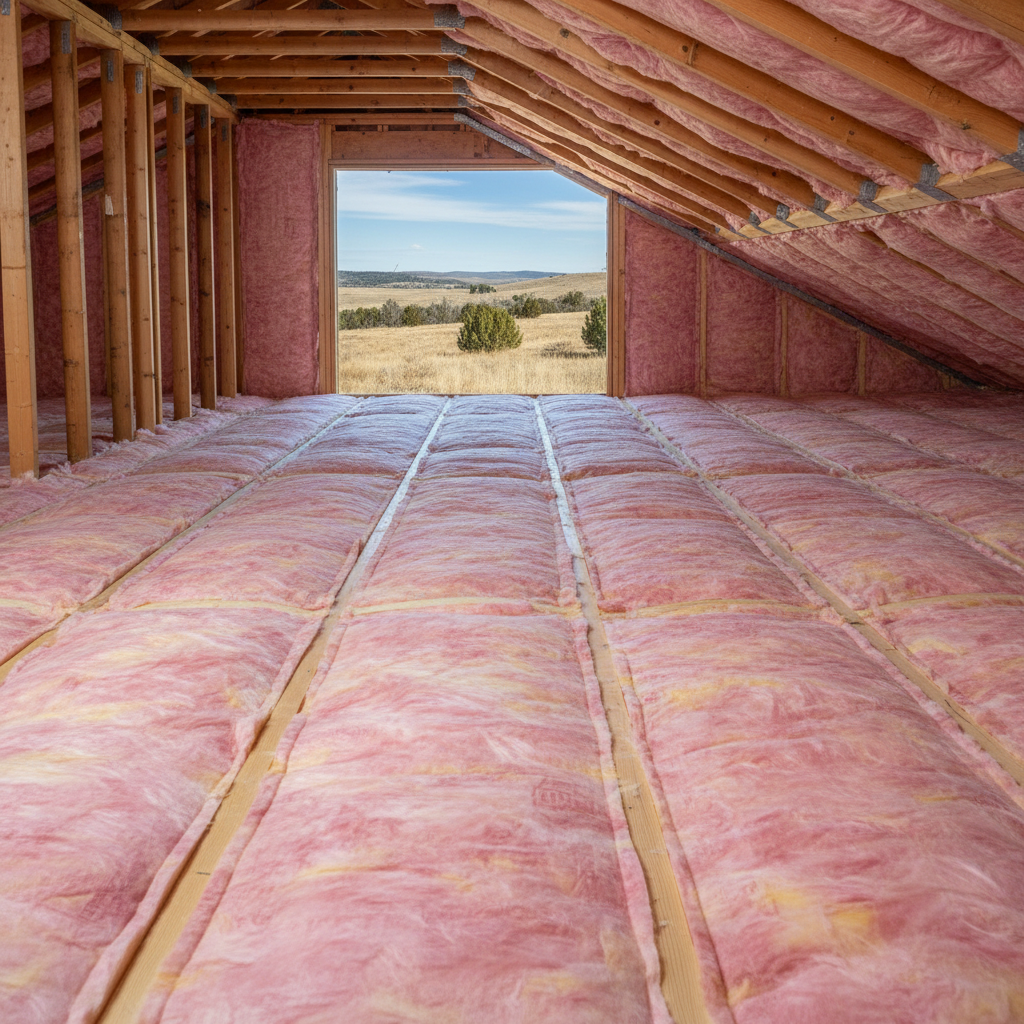
You've got batt insulation in your attic or walls, maybe we even put it in for you here at Aim High Insulation. That's great! It's doing a lot of heavy lifting to keep your home warm in the winter and cool in the summer. But just because it's out of sight doesn't mean it's out of mind. You can't just install it and forget it, especially with our wild temperature swings here in Eagle.
Think of it like your car's oil change. You wouldn't expect it to run perfectly forever without a little TLC. Same goes for your insulation. A little attention goes a long way in making sure it lasts and does its job efficiently for years to come.
Extending Your Batt Insulation's Lifespan
The good news is, batt insulation is pretty durable. But there are things you can do to make sure it lives a long, happy life. The biggest one? Keep it dry. Water is the enemy of insulation. If it gets wet, it loses its R-value, which means it stops insulating effectively. So, make sure your roof is in good shape. Check for leaks after a big rain or when the snow melts off your roof. Even a small drip can cause big problems over time. I've seen plenty of homes, especially those older ones up near the Eagle Hills Golf Course, where a slow roof leak went unnoticed for months, ruining perfectly good insulation.
Another thing is to make sure nothing's compressing it. Batt insulation works by trapping air, and if it's squished, it can't trap that air. Don't store heavy boxes directly on top of it in your attic. If you're running new wires or pipes, try to route them over or around the insulation, not through it, if you can avoid it. And if you're up in the attic, watch where you step! You don't want to crush those batts.
Regular Maintenance Checks
You don't need to be up in your attic every week, but a yearly check-up is a smart move. I usually tell folks to do it in the fall before it gets too cold, or in the spring once the weather's nice. Here's what you're looking for:
- Look for Gaps: Are there any spots where the batts have shifted or pulled away from the framing? Sometimes they can settle a bit, especially around vents or access points.
- Check for Moisture: Are there any dark stains on the insulation or the wood around it? That's a big red flag for a leak.
- Pest Activity: Look for droppings, nests, or chewed-up areas. Mice and other critters love to make homes in insulation, and they can really mess it up.
- Compression: Are any areas flattened or squished? This could be from storage, foot traffic, or even just settling.
If you see any minor gaps, you can often gently push the batt back into place. For anything else, you might need a pro.
Warning Signs of Problems
Your house will tell you if there's an issue, you just need to know what to listen for. If you notice any of these, it's time to investigate or call someone:
- Higher Energy Bills: This is often the first sign. If your heating or cooling costs suddenly jump without a clear reason, your insulation might not be doing its job.
- Drafts or Uneven Temperatures: Are some rooms noticeably colder or hotter than others? Do you feel drafts even when windows and doors are closed?
- Pest Noises: Scratching, scurrying, or chirping sounds in your walls or attic are a dead giveaway you've got uninvited guests.
- Musty Odors: A persistent musty smell can indicate moisture or mold growth, which often starts with a leak affecting insulation.
- Sagging Ceilings or Walls: In extreme cases, water damage can cause structural issues that you'll see inside your living space.
When to Call a Professional
While you can do some basic checks yourself, there are times when you really need to call in the experts. If you find significant water damage, mold, or extensive pest infestations, don't try to tackle it yourself. Mold can be a health hazard, and pests need to be dealt with properly to prevent them from coming back. If you're not comfortable getting up in your attic, or you're unsure about what you're seeing, that's another good reason to call us.
Sometimes, the issue isn't just a simple repair. Maybe your existing insulation isn't up to snuff for our Idaho winters, or it's just old and worn out. We can come out, assess the situation, and give you an honest opinion on whether it needs a repair, an upgrade, or a full replacement. We've been doing this for years here in Eagle, and we know what it takes to keep your home comfortable and efficient.