Cold floors? High energy bills? Musty smells coming up from downstairs? If you are nodding your head, your crawl space is probably asking for some attention. It is one of those areas that you do not see much, but a crawl space that is insulated correctly can make a big difference in how comfortable your Eagle home feels, and also in your air quality, and even how much money you spend.
As a local contractor, I have seen many crawl spaces all around Eagle, from the older homes close to the Boise River to the newer buildings up in Legacy. The truth is, a lot of them are not doing their job well, especially with our hot summers and our freezing winters. Let us talk about what you need to know before, during, and after a crawl space insulation project.
Before You Even Think About Insulation
You can not just put new insulation over old problems. That will cause trouble later. Before any insulation goes in, you have to take care of the basic things. This is where you, the homeowner, can do a lot of the first work.
- Moisture Control is Very Important: This is something you must do. If you have standing water, or damp soil, or a lot of humidity down there, putting insulation in will just create a good place for mold and mildew to grow. Check for pipes that are leaking, and make sure your outside ground slopes away from the foundation, and get a strong vapor barrier (that is a thick plastic sheet, usually 6-20 mil thick) put over the soil. Idaho code actually says you need a vapor barrier in crawl spaces to keep hundreds of pounds of water from the soil out of your home every single day. Make sure it overlaps by at least 6 inches and goes up the stem wall. If you have a lot of water getting in, like puddles that are standing, you will need to fix the drainage before you do anything else.
- Critter Control: Mice, rats, raccoons – they all like a warm, dark crawl space. And they like to make nests in insulation, tearing it up and leaving a mess. Close up any places they can get in around pipes, vents, and cracks in the foundation.
- Clean Up: Get rid of any trash, old wood pieces, or anything else that should not be there. If you have old insulation that is wet, or moldy, or has pests in it, it needs to come out. This can be a messy job, and if it is moldy, it is safer to call a professional with the correct protective gear.
- Look at the Space: Is it a very tight fit? Some crawl spaces are just too small or hard to move around in safely. If you are having trouble moving, or it feels like you are closed in, it is better to let a professional handle it.
During the Insulation Project: Doing It Yourself vs. Calling a Professional
Okay, so you have a crawl space that is clean, dry, and does not have critters. Now it is time for the insulation itself. This is where it becomes clearer when you should do it yourself and when you should call a professional for your Eagle home.
What You Can Really Do Yourself
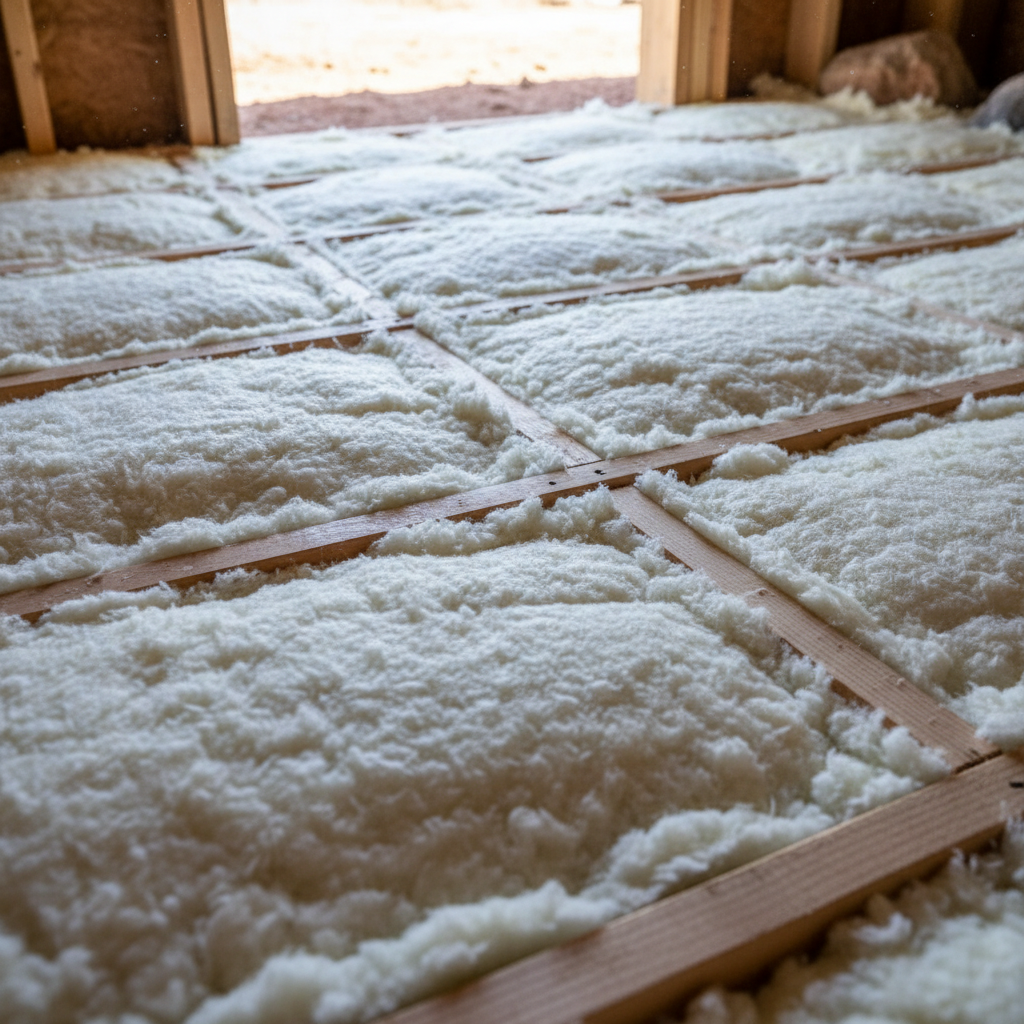
If your crawl space is easy to get into and is pretty clean, you might think about putting batt insulation between the floor joists up above. Fiberglass batts are a common choice for this. You will want to make sure they fit tightly and are held in place with wires or netting so they do not start to sag. For homes in Eagle, ID, you are usually looking for an R-value of R-30 for floor insulation over a crawl space that is not conditioned. Just remember, if those batts get wet, they do not work as well and they can sag.
Putting a vapor barrier over the ground is also something you can do yourself if the space is clear. Make sure you overlap the seams by at least 6 inches and seal them with tape, and also extend it up the foundation walls of your Eagle home.
When to Call a Professional
Listen, I have seen many insulation jobs that people did themselves go wrong. People have good intentions, but without the correct knowledge, and the correct tools, and understanding how buildings work, you can end up with bigger problems than you had at the start.
- Encapsulation: If you want to fully encapsulate your crawl space – which means sealing off the vents, insulating the foundation walls, and possibly adding a dehumidifier – that is a complicated job. It creates an environment that is controlled and conditioned, which is very good for saving energy and for air quality, but it is not a project you should do yourself. It needs specific materials, and specific ways to seal things, and often changes to your HVAC system.
- Spray Foam: If you are thinking about spray foam for rim joists or foundation walls, that is absolutely a job for a professional. It needs special equipment, and special training, and safety gear. You really do not want to try to use DIY spray foam kits in a small space in your Eagle home.
- Moisture Problems More Than Just a Vapor Barrier: If you have water that is always damp, or mold, or problems with the structure, stop right there. Call a professional. Do not try to fix those kinds of problems yourself; you will probably make them worse or put yourself in danger.
- Changes to Ventilation: Sometimes, especially with encapsulation, you might need to seal off existing vents or add mechanical ventilation. This needs to be done correctly to avoid moisture building up.
- Insulation Removal: As I said, if you have old, dangerous insulation (like anything that is moldy or has animals in it), taking it out safely is a big deal. You do not want to spread spores or dangerous materials around your home in Eagle.
At Aim High Insulation, we handle crawl space insulation projects all the time. We will look at your specific situation, and we will suggest the correct R-value (usually R-19 to R-30 for floors, or R-10 to R-13 for walls in an encapsulated system in Eagle), and we will make sure it is done correctly. We know the clay-rich soils around Eagle can hold a lot of moisture, so we focus on solutions that truly work for our local climate here in Eagle, ID.
After the Project: What to Expect
Once your crawl space in Eagle is insulated correctly, you should notice some things pretty quickly:
- Warmer Floors: This is usually the first and most welcome change. No more stepping onto a very cold floor in the middle of winter in your Eagle home.
- Lower Energy Bills: Your heating and cooling system will not have to work as hard to keep your home comfortable, and that will lead to noticeable savings on your bills.
- Better Air Quality: A crawl space that is sealed and insulated means less outside air, and less moisture, and fewer possible allergens getting into your living space. You might even notice fewer musty smells.
- Fewer Pests: A space that is not as inviting and is sealed off means fewer unwanted guests in your Eagle home.
Even after the project is finished, it is a good idea to check your crawl space from time to time, especially after heavy rains or when snow melts. Just make sure the vapor barrier is still in good shape and there are no new signs of moisture or pests. Staying on top of it will keep your Eagle home comfortable and efficient for many years to come.